Secure IT Disposal for Architects and Architectural Practices
Architectural practices depend on reliable, high-performance technology to manage complex projects from early concepts through to technical delivery. Workstations, laptops, servers and storage systems may contain detailed drawings, BIM files, tender documents, client information and plans relating to sensitive sites.
When this equipment is replaced or no longer suitable for demanding design software, it must be handled securely. Removing a device from active use does not remove the data held on it, while sending specialist hardware straight for destruction can waste equipment that may still retain significant value.
Green IT Disposal provides secure IT disposal for architects and architectural practices across the UK. We manage collection, asset recording, certified data erasure, refurbishment, sustainable reuse and responsible WEEE recycling.
Our approach places security first while recognising that architectural workstations and professional equipment often have a useful life beyond their original role. Where assets can be securely sanitised and returned to use, we prioritise reuse before recycling or physical destruction.
IT Disposal Designed for Architectural PracticesArchitecture firms often operate a more demanding IT environment than a conventional office.
Design teams may use powerful desktop workstations, high-resolution monitors and specialist laptops capable of running CAD, BIM, rendering and visualisation software. Projects may also depend on local servers, network storage and backup systems holding substantial amounts of information.
This can make disposal more involved when equipment is refreshed.
A workstation may contain several internal drives, dedicated graphics hardware and locally saved project files. Servers and storage systems can hold information relating to multiple live and archived projects. Equipment may also be distributed between a main studio, regional offices, home workers and temporary project locations.
Green IT Disposal provides a managed service that can be planned around the structure of your practice. We can collect individual devices, complete workstation setups or larger quantities of equipment generated during an office move or technology refresh.
Protecting Plans, BIM Data and Client InformationArchitectural equipment can hold highly sensitive information.
This may include floor plans, structural details, BIM models, technical specifications, tender submissions and planning documents. Devices can also retain client correspondence, consultant information, project budgets and credentials for cloud platforms or shared project environments.
Some projects involve private homes, commercial developments, public buildings or sites where detailed plans should not be made available without authorisation. In these circumstances, improper disposal can create both a security risk and a serious concern for the client.
Deleting files or resetting a workstation does not necessarily make the underlying data unrecoverable. Temporary files, synced folders, archived versions and application caches may remain on the storage device.
Green IT Disposal uses specialist data erasure processes to sanitise suitable hard drives and solid-state storage. Certification can be provided to support your internal records and demonstrate that the asset has passed through a controlled process.
Where a device cannot be securely erased, or your policies require physical destruction, an appropriate destruction route can be arranged.
Reuse of High-Specification Architectural WorkstationsArchitectural practices often invest heavily in computing equipment.
Workstations may include powerful processors, professional graphics cards, substantial memory and high-capacity storage. These devices are sometimes replaced because newer software or larger projects require more performance, even though the equipment remains functional.
A workstation that is no longer suitable for detailed BIM coordination or complex rendering may still be useful for a less intensive workload. Laptops replaced as part of a scheduled upgrade may also retain value after secure data erasure, testing and refurbishment.
Green IT Disposal assesses suitable equipment before recycling is considered. Devices that can be reused safely may be repaired, refurbished, redeployed or remarketed once all data security requirements have been completed.
This approach helps preserve the value of professional hardware and keeps working equipment in use for longer. It also avoids the environmental impact of dismantling assets that still have a practical purpose.
Where a complete device cannot be reused, viable components such as memory, graphics cards and processors may still be recovered.
CAD, BIM and Rendering Equipment DisposalArchitectural technology estates can include a mixture of standard office devices and specialist design equipment.
We can collect desktop workstations, laptops, mobile workstations, monitors, servers, storage systems and associated IT hardware. This may include computers used for CAD, BIM, visualisation, rendering, administration and project management.
Equipment does not need to be identical or in perfect condition. A collection may contain recent reusable workstations alongside damaged laptops, old monitors and outdated devices that require recycling.
Before arranging disposal, it can be helpful to prepare an approximate asset list showing the make, model, age and condition of the equipment. Photographs can also make it easier to assess larger collections or specialist setups.
The more information available at the start, the easier it is to plan the collection and identify equipment that may retain residual value.
Secure Disposal of Servers and Project StorageArchitectural projects often generate large volumes of data over several years.
Files may be held on local servers, network-attached storage, backup appliances and external drives. Some practices also retain archived storage devices after projects have been completed or transferred to another system.
These assets need to be included in the disposal process.
A server may contain drawings and documents from several clients, while an external drive could hold a complete project archive. Backup systems may retain older versions of files that no longer appear on the live network.
Green IT Disposal can collect data-bearing equipment as part of a wider IT clearance. Functional storage devices may be suitable for certified data erasure, while damaged or inaccessible drives may require physical destruction.
Recording these assets separately can help maintain a clearer audit trail and reduce the risk of storage media being overlooked.
IT Disposal During an Office MoveOffice relocations provide a useful opportunity to review ageing or unused IT equipment.
Architectural studios can accumulate old workstations, monitors, servers and peripherals over several upgrade cycles. Devices may remain in cupboards or storage rooms because they contain data, are too heavy to move easily or have not yet been formally written off.
Leaving disposal until the final stage of a move can create unnecessary pressure. Active equipment must already be transferred and tested, while project teams may still be working to deadlines.
Planning the collection earlier gives your IT team time to migrate files, confirm that equipment is no longer needed and separate assets moving to the new office from those ready for disposal.
Green IT Disposal can coordinate collections around the wider relocation schedule. Larger projects may be completed in phases to minimise disruption and avoid removing equipment that is still required.
Supporting Practice Mergers and Office ConsolidationMergers, acquisitions and office consolidations can leave architectural practices with duplicate technology.
Different offices may use separate servers, workstation specifications and storage systems. Once teams and systems are brought together, the outgoing equipment needs to be reviewed, audited and processed securely.
Asset records may not always be consistent between practices, particularly where equipment was purchased at different times or managed by separate IT providers.
A managed disposal service creates a more structured process. Devices can be collected, recorded and directed through the appropriate data erasure, reuse or recycling route.
This can also help free up valuable studio and storage space while providing documentation for the equipment removed.
Managing Equipment Used by Hybrid TeamsArchitectural practices increasingly support hybrid and remote working.
Laptops and mobile workstations may be held by employees across different locations, while some team members may use equipment at project offices or client sites. Devices returned by leavers can also arrive at different times and remain unused if there is no consistent process in place.
Returned equipment should be checked against the practice’s asset register before it is reassigned or disposed of. Any local project files, saved credentials and synced folders must also be addressed.
Green IT Disposal can support planned collections from central offices and multi-site practices. Equipment can be consolidated into batches, creating a clearer record of what has been returned and processed.
This helps reduce the risk of devices becoming unaccounted for after staff changes or project completion.
Supporting WEEE and Data Protection ComplianceArchitectural practices must consider both the information held on their equipment and the environmental responsibilities associated with its disposal.
Computers, monitors, servers and other electrical assets should be processed through an appropriate WEEE-compliant route. Businesses also have a duty of care when transferring waste equipment to another organisation.
At the same time, personal information and confidential project material must remain protected when a device leaves active service.
Green IT Disposal can provide asset reports and certification for completed data erasure or destruction. This documentation can support internal audits, information security procedures, environmental reporting and client requirements.
A documented process is particularly valuable where practices work with public bodies, developers, commercial organisations or clients who require reassurance around the handling of project data.
Sustainable IT Disposal for Architectural PracticesSustainability is already a significant consideration within architecture and the built environment.
Many practices advise clients on material efficiency, embodied carbon and the long-term performance of buildings. It makes sense to apply a similarly considered approach to the technology used within the business.
Destroying working IT equipment unnecessarily can waste the energy and raw materials already invested in manufacturing it. Secure refurbishment and reuse can often provide a better environmental outcome.
Green IT Disposal follows a reuse-first process. Suitable assets are assessed for repair, refurbishment or remarketing after all data has been securely removed.
Equipment that has no viable second-life route may be stripped for reusable parts before the remaining materials are sent through responsible recycling channels. This helps reduce electronic waste without compromising project confidentiality or data security.
Secure Collections from Architectural StudiosArchitectural practices may work from city-centre offices, converted buildings, shared studios or multi-storey premises.
Large workstations and monitors may need to be removed from individual desks, meeting rooms or dedicated visualisation suites. Servers and storage equipment may be located in restricted areas, while parking and loading access can be limited.
We discuss these practical requirements before collection. This helps ensure the correct equipment and team are available and reduces disruption to employees working in the studio.
Our own collection vehicles are satellite tracked and fitted with CCTV, supporting a controlled chain of custody while equipment is transported.
Green IT Disposal operates nationally, with particular coverage across Greater London, the North West, the Midlands and towns along the M1 corridor. This allows us to support independent studios, regional practices and larger architectural groups.
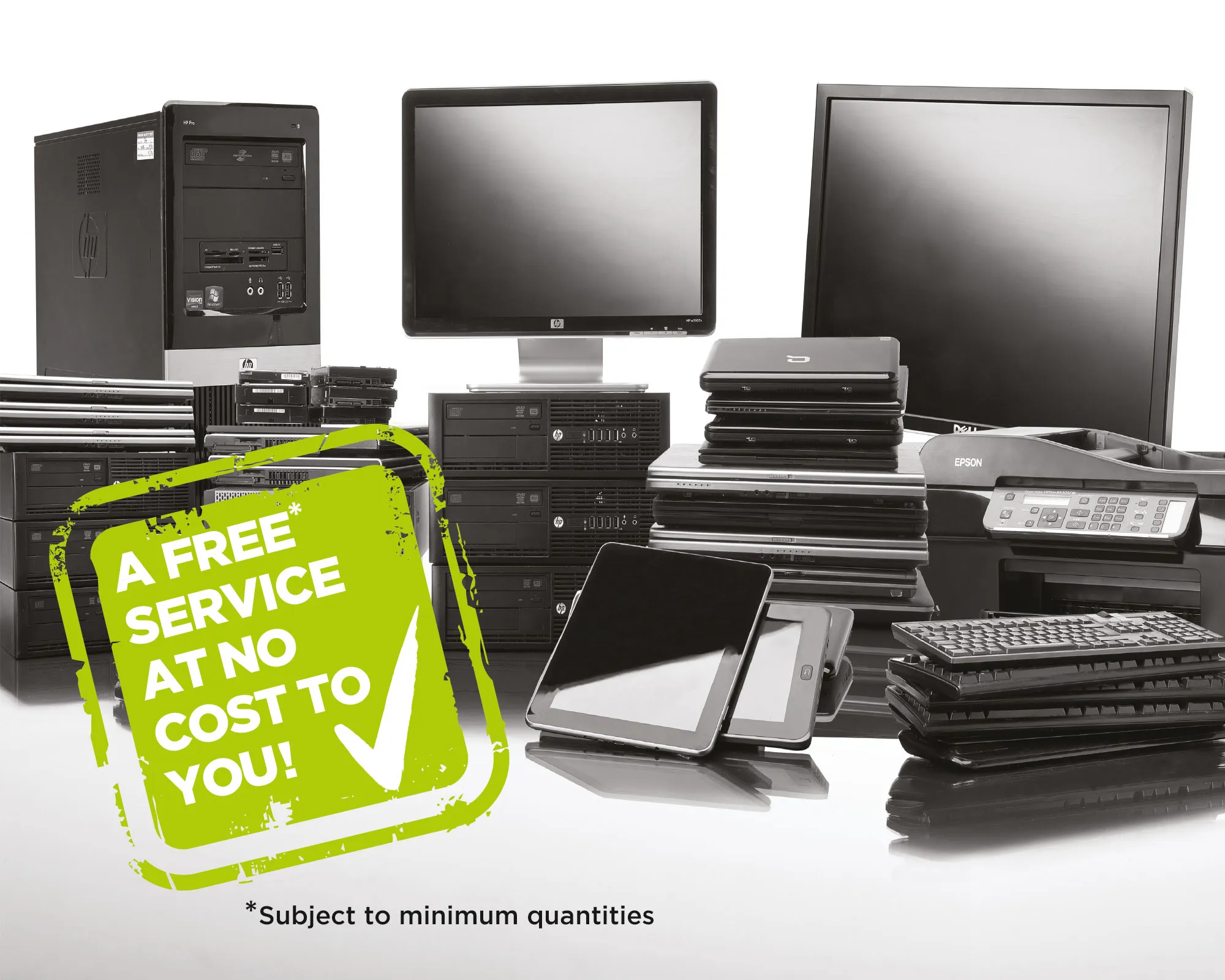
Can IT Disposal Be Free for Architects?Free IT disposal may be available for qualifying collections, depending on the quantity, specification, age, condition and location of the equipment.
Architectural workstations, laptops, servers and professional monitors can retain useful residual value. Where these assets are suitable for refurbishment or remarketing, their value may help offset the cost of secure collection, data erasure, reporting and processing.
Every project is assessed individually.
A collection of recent, working workstations will be reviewed differently from a small number of damaged devices or hard drives requiring physical destruction. Providing an approximate inventory, photographs and details of your data security requirements will help us explain the available options.
Arrange IT Disposal for Your Architectural PracticeWhether you are upgrading design workstations, relocating your studio or clearing equipment accumulated across several projects, Green IT Disposal can manage the process securely and responsibly.
We combine controlled collection and asset reporting with certified data erasure, sustainable reuse and WEEE-compliant recycling. This helps protect confidential project information, recover value from suitable assets and provide a clear record of how redundant technology has been handled.
Call us on
0161 928 1144 for free advice and a quote, or
contact Green IT Disposal to discuss your architectural practice’s IT disposal requirements and arrange a secure collection.